Many laboratories have already improved their work ergonomics thanks to the Dilucup System.
- No need of vortex
- Movement absorbed by the shaker
- Comfortable to use and pipet

 Elisabet Nuñez Gaitan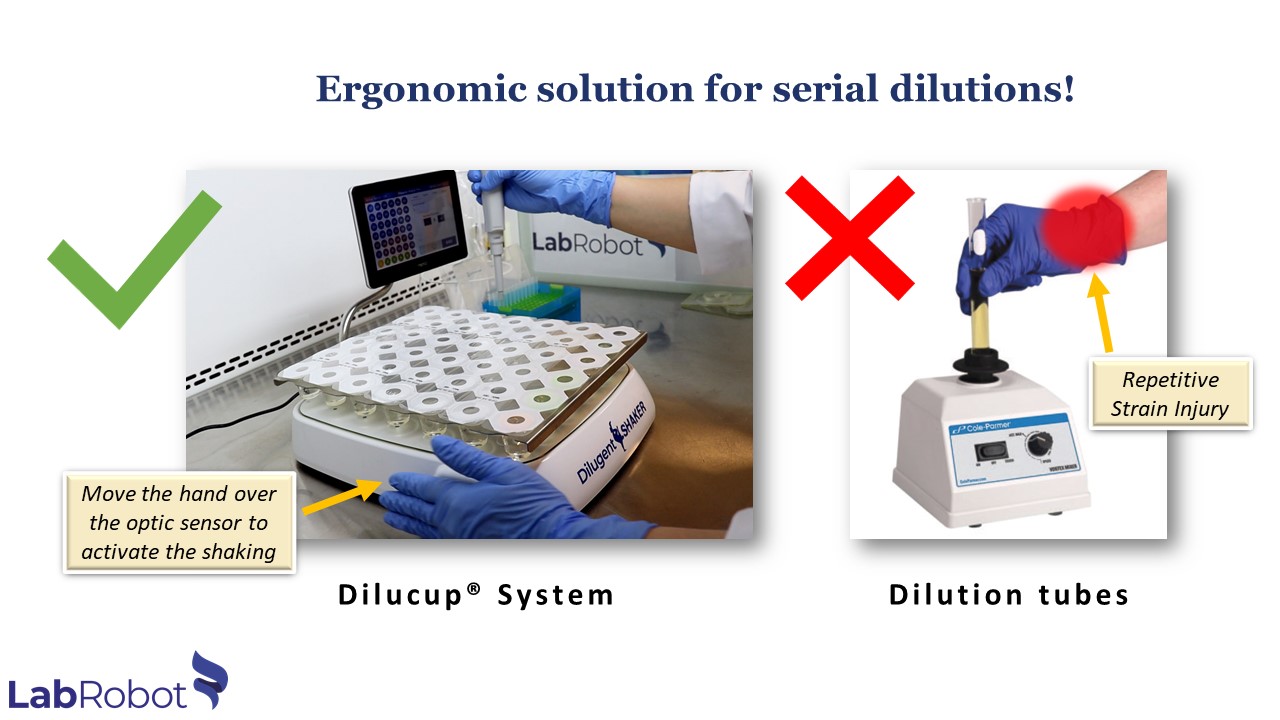
Many laboratories have already improved their work ergonomics thanks to the Dilucup System.
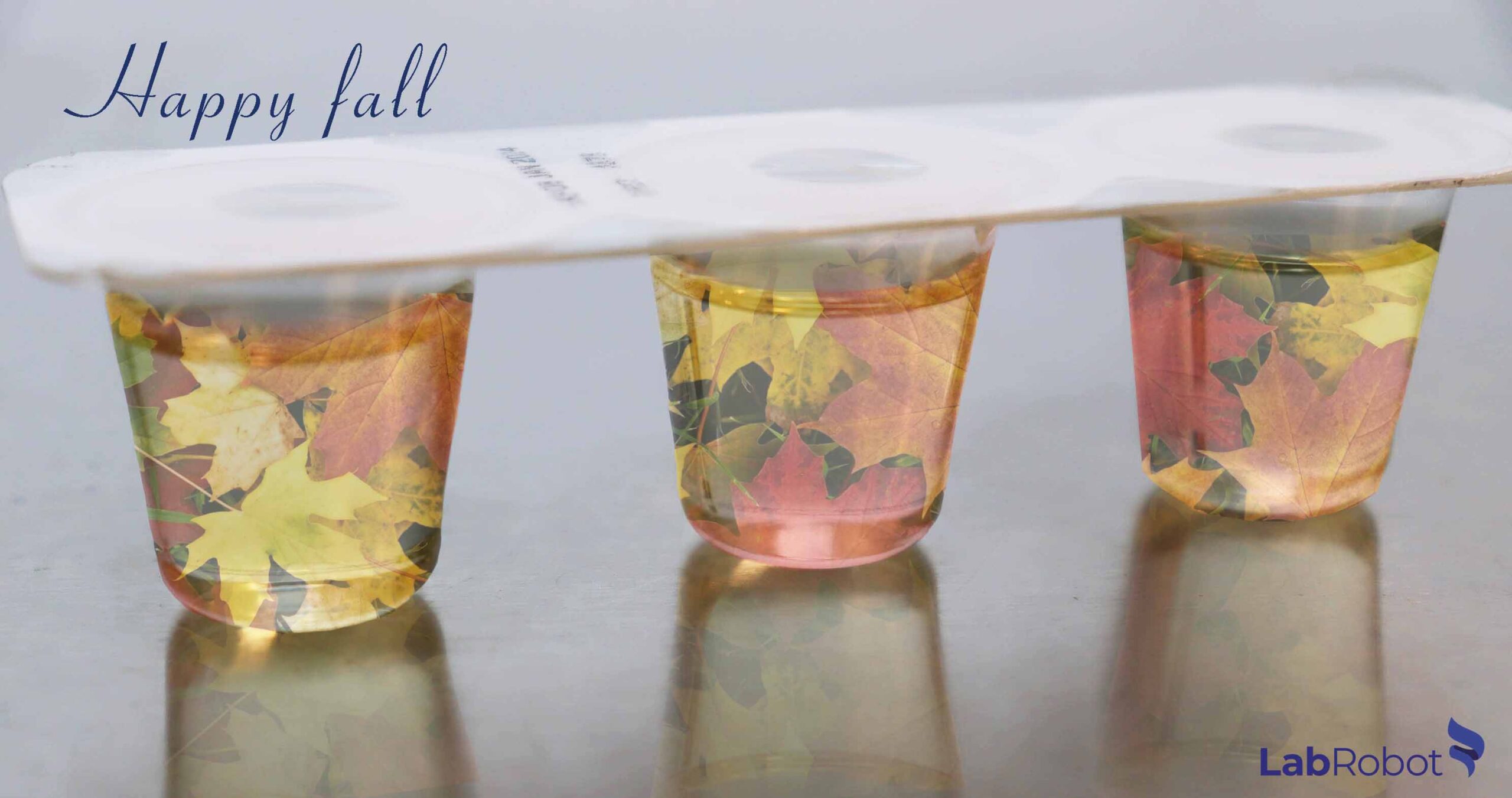
Autumn has come in Sweden and now leaves are everywhere here, even inside Dilucup® Elegance!
But don´t worry! You will not receive your cups with leaves inside ... you will receive them as always, with 9mL of your favourite sterile diluent.
We wish you a happy and colourful autumn!

On September 27, we had the first Dilugent® Shaker service training with the technicians of our distributors from different countries. Remember that the instrument has a 2-year warranty from the purchase date and that the service should be done approximately once per year depending on its use.
Contact us at support@labrobot.com for questions about the service.


High speed vortexed
The design of Dilucup® allows its rotation at high speed (400-660 rpm) on Dilushaker III or Dilugent® Shaker without spilling.
Once a lab has moved to Dilucup® it doesn't move back to tubes!
Don´t you believe it?

How to enumerate the microorganisms present in a sample?
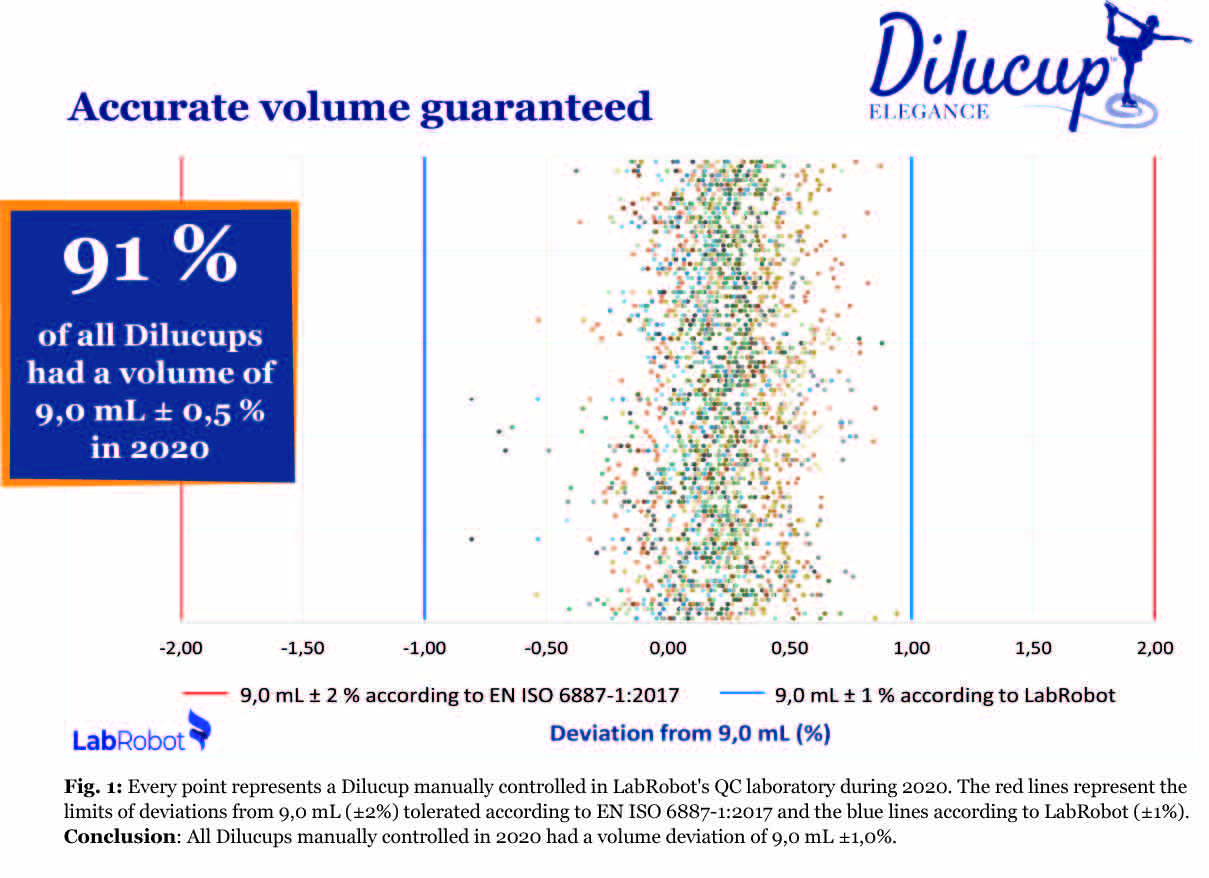
With Dilucup® Elegance don't worry about the volume of the diluent in the dilution process!
According to EN ISO 6887-1: 2017, the volume of the diluent cannot exceed a 2,0% deviation from 9,0mL. LabRobot still wants to be more accurate and that is why the volume in Dilucup® Elegance should never exceed 9,0ml ± 1,0%.
In 2020 none of the Dilucups manually controlled in our QC laboratory exceeded a ± 1% deviation from 9,0mL:
Do you know any other serial dilution method with greater volume precision?

LabRobot was happy to participate in the Swedish movement “Håll Sverige Rent” (= Keep Sweden Tidy) and we dedicated a few minutes of our lunch break to collect plastic waste around our building.
If we all would do the same frequently, we would greatly reduce the amount of plastic materials in the nature and the oceans!

That is how Dilucup Elegance can look like during the serial dilution process.
Did you know that you can customize the colours of the LED lights of a Dilugent Shaker Pro?

At LabRobot we don´t get sweets in Easter eggs, but Dilucups filled with exactly 9 mL of diluent!!
We wish you a happy and well-deserved Easter!